Buffet vs Sit-Down Wedding Dinner: Pros & Cons
The right choice depends on your guest count, vibe, venue layout, and how you want the night to flow.
Quick answer (if you’re in a hurry)
- Choose plated: if you want a smooth, structured timeline and a more formal feel.
- Choose buffet: if you want variety, flexibility, and a more relaxed guest experience (and your venue can handle the traffic flow).
What “Plated” and “Buffet” actually mean
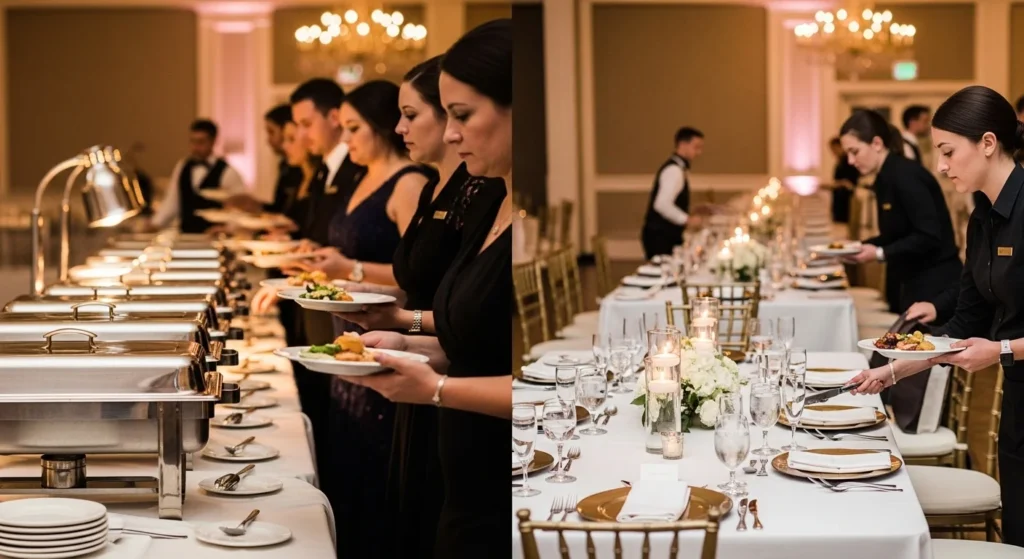
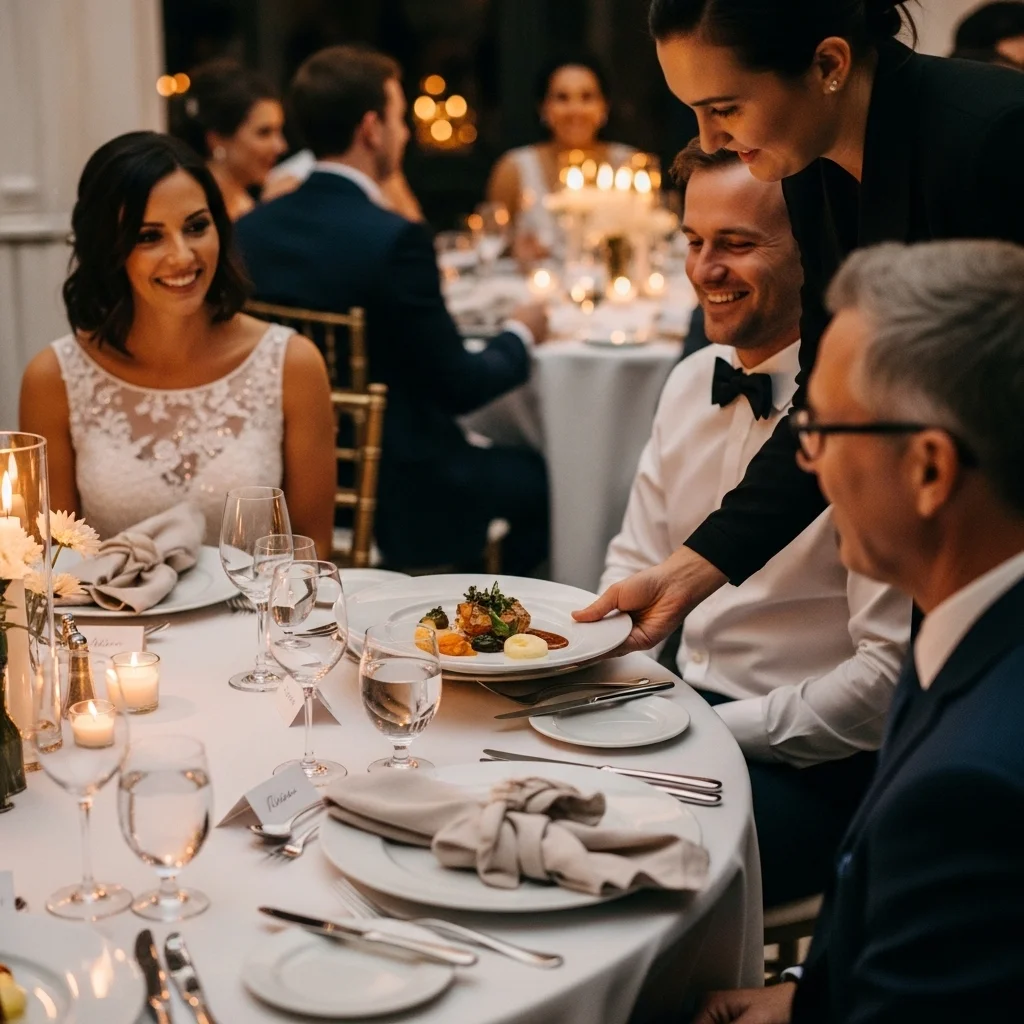
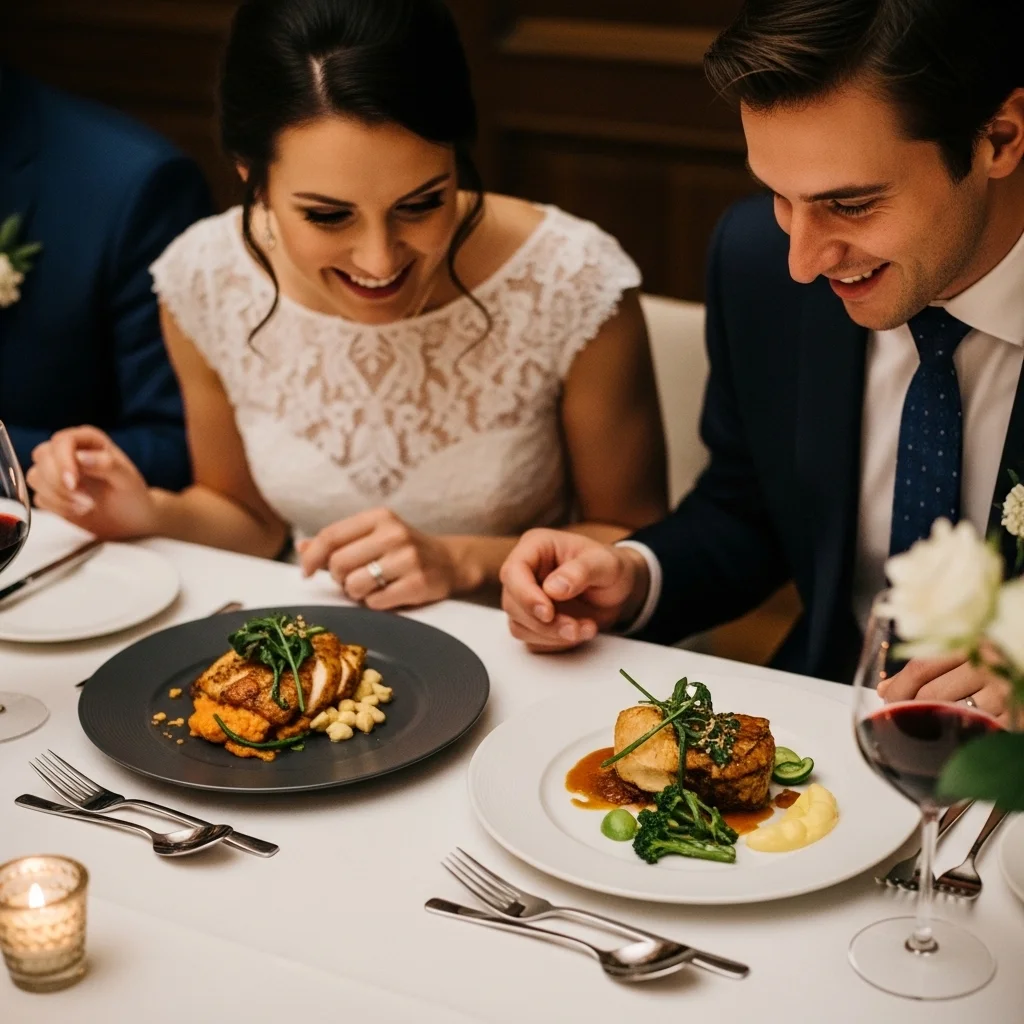
Plated (Sit-Down) Dinner
Guests stay seated and servers bring each course/entrée to the table. It often feels more traditional and time-controlled.
Buffet Dinner
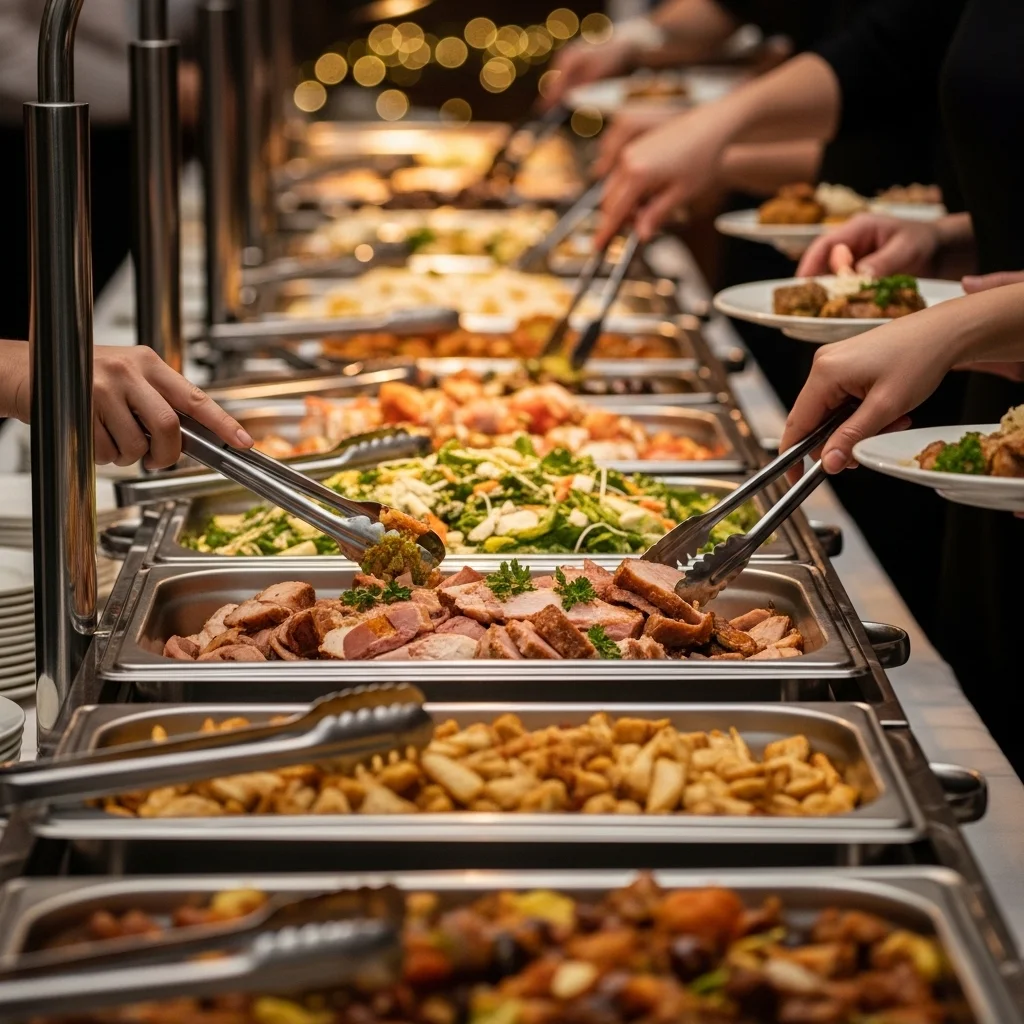
Food is set out on one or more buffet lines and guests serve themselves (or are served by attendants, depending on your caterer). It’s flexible and tends to encourage variety.
Buffet Wedding Dinner: Pros & Cons
Pros
1) More choice (great for picky eaters)
Guests can build a plate that fits their taste.
2) Flexible with dietary needs
Buffets can make it easier to include multiple options in one place—especially if you plan stations clearly with your caterer.
3) Relaxed, social vibe
People get up, mingle, and it feels less formal—perfect for casual or rustic receptions.
Cons
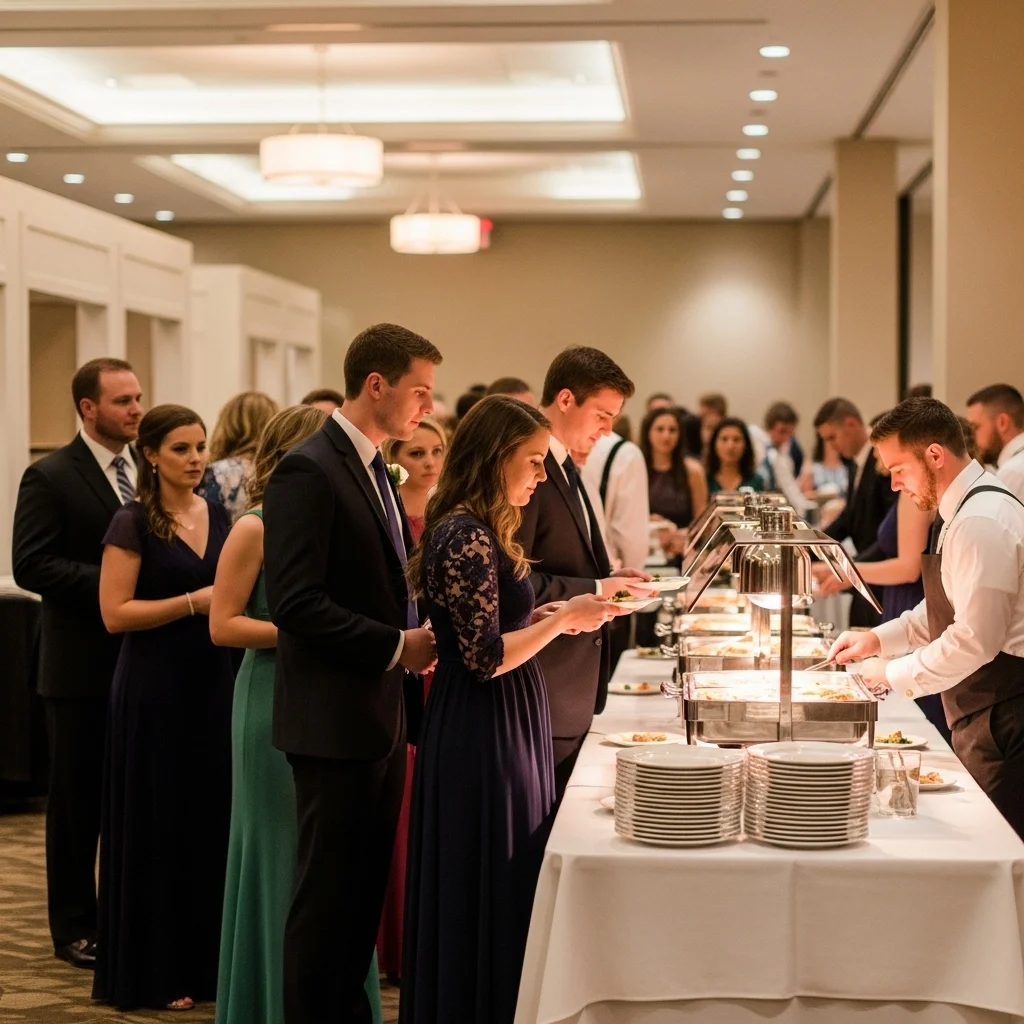
1) Lines can slow your timeline
If you have one buffet line for a big guest count, dinner can drag. (Fixable with two-sided or multiple buffet lines.)
2) Food quantity can be tricky
Some buffets require extra food to avoid running out, which can change cost expectations.
3) Not as “polished” (unless styled well)
Buffets can still be elegant—just plan layout, staffing, and presentation.
Plated Wedding Dinner: Pros & Cons
Pros
1) The timeline stays controlled
Plated service helps keep dinner on a predictable schedule—useful if you’re doing toasts, dances, or a tight venue end time.
2) Feels formal and “upscale”
Service at the table often reads as more traditional and elevated.
3) Cleaner guest experience
Less walking around with plates, fewer spills, and smoother flow (especially for older guests).
Cons
1) You’re paying for staffing and service
Plated meals typically require more service staff, which can affect price.
2) Less variety per person
Guests usually pick one entrée, so they don’t get to sample multiple items.
3) Timing depends on kitchen execution
If the kitchen is behind, everyone feels it—so you want an experienced caterer.
How to Decide: 7 Questions That Make the Answer Obvious
1) What vibe do you want?
- Elegant, structured, classic: plated
- Relaxed, social, flexible: buffet
2) What’s your guest count?
Large groups often need multiple buffet lines or plated service to keep dinner from running long.
3) How tight is your timeline?
If you have a strict venue end time and want dancing sooner, plated can help dinner stay predictable.
4) What’s your venue layout like?
Buffets need space for lines, traffic flow, and accessibility. Plated needs enough room for servers to move efficiently.
5) Are dietary needs a big factor?
Both can handle dietary needs, but the best option depends on your caterer’s process. Ask how they handle allergies, vegetarian/vegan, and gluten-free.
6) Do you want people mingling during dinner?
Buffet naturally creates movement; plated keeps guests seated.
7) How important is presentation?
Plated tends to look consistent table-to-table; buffets can look amazing with good styling and staffing.

Want Your Reception to Flow Smoothly (No Matter Which Dinner Style You Choose)?
Dinner service impacts your entire timeline—when toasts happen, when dancing starts, and how the energy builds.
If you’re planning a wedding in St. Louis or Illinois, we provide complete wedding services including DJ & MC, lighting/uplighting, photography, videography, photo booth rentals, and more—so your day feels organized and your reception stays fun.